Sports Massage Aurora CO for Better Posture and Movement Quality

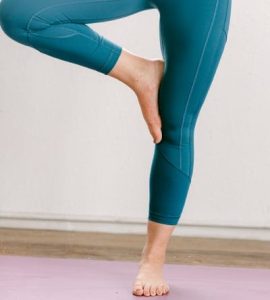
Posture is usually discussed as if it were a simple matter of standing up straight. In practice, it is much messier than that. Good posture is not a frozen pose. It is the ability to organize the body efficiently while sitting, walking, training, reaching, rotating, and recovering from stress. Movement quality works the same way. It is not just how far you can stretch or how heavy you can lift. It is how well your joints, muscles, breath, and nervous system cooperate under real demands.
That is where sports massage earns its place. Done well, it is not a luxury add-on or a generic relaxation session with firmer pressure. It is a targeted hands-on approach that can improve tissue mobility, reduce unnecessary tension, help the body accept better alignment, and support more efficient movement patterns. For active adults, desk-bound professionals, runners, lifters, golfers, cyclists, and anyone stuck in a cycle of tightness and compensation, Sports Massage Aurora CO can be a practical part of the solution.
The key phrase there is “part of the solution.” Massage helps, sometimes dramatically, but it is not magic. It works best when it is used with clear goals and honest expectations. A skilled therapist is not trying to force you into perfect posture in one session. They are trying to remove barriers that make better movement harder than it needs to be.
Posture problems rarely start where they hurt
One of the most common mistakes people make is chasing symptoms. The neck feels tight, so they stretch the neck. The low back aches, so they roll the low back. The shoulder pinches, so they avoid overhead movement. Sometimes that gives short-term relief. Often it misses the real driver.
A runner with recurring calf tightness may actually be dealing with limited ankle mobility and overworked hip flexors. An office worker with upper trap pain may have a ribcage that stays lifted, a head that drifts forward, and shoulder blades that never fully upwardly rotate. A lifter whose lower back always feels “on” may be hinging poorly because the hips and thoracic spine are not contributing enough. In all of those cases, the body is not broken. It is adapting.
Sports massage can help uncover these patterns because tension tends to collect in predictable places. Pec minor gets short and drags the shoulders forward. Hip flexors stiffen from long hours seated and alter pelvic position. Lats become overactive and limit overhead mechanics. Adductors grip to create stability when the core and hips are not sharing the load well. A useful session looks at these relationships instead of treating each sore spot in isolation.
That kind of work matters for posture because posture is a moving target. If soft tissue restrictions keep pulling you back into the same position, no amount of cueing to “sit up straighter” lasts very long. The body always returns to the path of least resistance.
What sports massage actually changes
There is a lot of confusion around what massage does. It does not permanently lengthen tissue in the way many people imagine. Human tissue is more complex than clay that can be molded into a new shape and stay there forever. Yet massage still changes things that matter.
First, it can reduce perceived stiffness and threat in the nervous system. That alone can restore range of motion. Second, it can improve local tissue glide, which affects how muscles and fascial layers move against one another. Third, it can increase body awareness. Clients often leave a session able to feel where they are in space more accurately, which makes corrective exercise and posture changes easier to apply. Fourth, it may improve circulation to an area that has been overloaded or guarded. Fifth, it can lower the background muscle tone that keeps certain patterns locked in place.
Those shifts often translate into noticeable differences. A golfer rotates farther without yanking through the low back. A runner extends the hip more cleanly and stops overstriding. A desk worker turns the head while driving without that familiar pinch near the base of the neck. None of that is dramatic in a social media sense. It is simply useful.
In clinical and athletic settings, the best results tend to come when massage is tied to a movement goal. “Loosen me up” is understandable, but “help me rotate better to the left” or “my shoulders round forward by mid-afternoon and my neck gets tight” gives the therapist something more concrete to solve.
Why posture improves when tissues stop fighting the skeleton
Posture has a structural side and a behavioral side. The structural side includes joint shape, previous injuries, training history, and tissue stiffness. The behavioral side includes habits, stress, breathing patterns, screen use, sleep quality, and how you move all day. Sports massage interacts with both.
Consider someone who spends eight to ten hours at a laptop. The upper back rounds, the chest narrows, the head inches forward, and the forearms live on the keyboard. Over time, the front of the body often becomes overactive while the back side loses some of its timing and support. Telling that person to “pull the shoulders back” usually creates a stiff military posture that is hard to sustain and not especially comfortable. It also ignores the ribcage and neck.
A better approach is to reduce the tension that keeps the shoulders forward, improve thoracic mobility, calm the overworked neck muscles, and then help the person move and breathe into a more balanced position. Sports massage supports the first half of that equation beautifully. It can make the chest less restrictive, the scalenes and upper traps less dominant, the thoracic area more receptive to extension and rotation, and the shoulder girdle less guarded overall.
The same principle applies below the waist. If the hip flexors and adductors are constantly gripping, the pelvis often has less freedom to shift and rotate during gait. That can show up as low back stiffness, poor glute engagement, and knees that track inconsistently under load. Massage does not teach glutes to fire on command, but it can remove enough resistance that proper loading finally becomes possible.
Movement quality is where the benefits become obvious
People often notice posture first because it is visible. Movement quality is where the deeper payoff shows up. Better tissue mobility and less guarding can improve how force is transferred through the body. That matters whether you are playing rec league pickleball, hiking near the Front Range, chasing strength goals, or simply trying to get through the workday without feeling creaky.
A useful example comes from the shoulder. Many people think shoulder mobility lives only in the shoulder joint. It does not. The thoracic spine, ribcage, scapula, lats, pecs, rotator cuff, and even grip strategy can affect overhead motion. When one area is restricted, another area compensates. That is how a pressing workout turns into neck tightness or front-of-shoulder irritation.
A smart sports massage session might address the lat, teres major, pec minor, posterior cuff, and surrounding tissue while also considering thoracic rotation and scapular movement. After that, something as simple as a controlled wall slide or light overhead reach can feel completely different. The movement has not changed because of a motivational speech. It changed because the body no longer had to fight through the same mechanical bottlenecks.
The hips tell a similar story. Tightness in the front and inside of the hip can interfere with stride length, squatting mechanics, and even balance on one leg. When those tissues are less dominant, the pelvis can move more naturally and the surrounding muscles can share the workload. Clients often describe this as feeling lighter, more connected, or less jammed up. Those are not technical terms, but they are usually accurate.
Signs that sports massage may help your posture and movement
- You feel tight in the same places no matter how much you stretch.
- One side of your body always seems to work harder during training.
- Sitting for an hour leaves your neck, shoulders, or low back noticeably irritated.
- You move well in warm-up drills but lose that mobility once the workout starts.
- Your posture improves briefly when you focus on it, then collapses under stress or fatigue.
These patterns suggest that mobility, tissue tolerance, and movement strategy are all interacting. Massage can be a strong entry point because it often creates rapid change you can feel right away, which helps people buy into the longer-term work.
What a skilled session should look like
The best sessions are not random. A therapist should ask how you train, where you feel restricted, what movements reproduce symptoms, and what you want to improve. They should also observe how you stand, rotate, squat, lunge, walk, or raise your arms if those patterns relate to your goal.
From there, treatment may include deeper work in some areas and lighter down-regulation in others. Not every useful sports massage is intensely painful. There is a stubborn myth that effective bodywork must feel brutal. In reality, too much force can cause guarding, irritability, or the urge to hold your breath through the session, which defeats the purpose. Pressure should be enough to create change, not enough to provoke a fight.
A therapist working on posture and movement quality often spends time around common restriction zones: pecs, lats, subscapular region, thoracic paraspinals, hip flexors, glutes, adductors, calves, and the plantar tissues of the foot. https://messiahvfrv646.summitquill.com/posts/the-top-recovery-benefits-of-sports-massage-aurora-co But the exact recipe should vary. The body does not read checklists. A cyclist and a tennis player might both complain of shoulder tightness, yet for completely different reasons.
In Aurora, where active lifestyles meet long commutes and desk-heavy jobs, that overlap is common. People may train hard before or after work, then spend much of the day in positions that undo some of that effort. That combination creates a familiar pattern: decent fitness with poor recovery and gradually worsening movement efficiency. Sports Massage Aurora CO makes sense in that context because it bridges performance care and daily-life wear and tear.
Timing matters more than most people think
A great session at the wrong time can still feel disappointing. Right before competition, some athletes prefer lighter, more activating work. Deep work too close to a race, heavy lift, or tournament can leave tissues feeling flat or slightly irritated for a day. On the other hand, after a hard training block or during a deload week, more intensive tissue work can be ideal.
For posture-focused care, consistency usually beats intensity. One thoughtful session every few weeks often produces better long-term change than waiting until the body is so locked up that every area feels urgent. With office workers, I often see the biggest gains when massage is scheduled before pain becomes the main motivator. Once a person is moving with less compensation, treatment can shift from relief to maintenance and performance support.
It also helps to understand that some changes are immediate and some are delayed. You might leave with easier rotation, then notice the real benefit two days later when your workout feels smoother. Or you might feel mildly sore that evening and much looser the next morning. Both can be normal, provided the response is proportional and your function improves.
Massage alone is rarely enough, and that is not a flaw
This is the part people need to hear clearly. If your posture and movement problems come from months or years of repeated habits, sports massage should not be expected to solve everything on its own. It creates opportunity. You still have to use that opportunity well.
When tight hip flexors are released but you go straight back to ten-hour sitting days with no movement breaks, the old pattern returns quickly. When the thoracic spine opens up during treatment but you never train rotation or upward reach, the body defaults to what it knows. Change sticks when hands-on work and active movement reinforce each other.
That does not mean you need a complicated routine. Often, two or three well-chosen exercises after a session are enough. A few minutes of breathing-based mobility, controlled loading, and awareness practice can preserve the gains from bodywork far better than aggressive stretching done at random.
Where sports massage shines, and where it does not
Sports massage is especially useful for functional limitations driven by overuse, training load, desk posture, mild asymmetries, and predictable tissue restrictions. It tends to help people who feel stiff, compressed, overworked, or one-sided. It can also be excellent during return-to-training phases, when the body is healthy enough to move but still carrying protective tension from a prior issue.
It is less useful as a stand-alone answer for significant instability, acute trauma, structural tears, or pain patterns that suggest something beyond soft tissue overload. Numbness, unexplained weakness, pain that wakes you at night without a clear mechanical reason, or symptoms that keep getting worse despite sensible care should be evaluated appropriately. Skilled therapists know the difference between a knot that needs attention and a case that needs referral.
That distinction matters because credibility matters. Good bodywork is strongest when it stays in its lane while collaborating with training, rehab, and medical care as needed.
Practical ways to make a session last longer
- Hydrate normally, take a short walk, and avoid going straight back into hours of rigid sitting.
- Pair the session with one or two simple mobility or control drills that match the treated area.
- Keep training light to moderate if the work was deep, especially for the same muscle groups.
- Notice which daily positions recreate the old tension, then interrupt them before they build.
- Rebook based on response, not habit alone. Some people need weekly care for a stretch, others do well monthly.
None of that is glamorous. It works because it respects how the body adapts. A session creates a window. What you do in that window determines whether posture and movement improve for a day or for much longer.
A few real-world examples
One common case is the recreational runner who cannot shake recurring hamstring tightness. They stretch constantly, foam roll aggressively, and still feel pulled every time pace increases. Assessment often shows the hamstring is acting like a stabilizer because the hip is not extending cleanly and the pelvis is not rotating well. After targeted work to the hip flexors, adductors, glutes, and posterior chain, running mechanics often feel less forced. The hamstring was not the villain. It was the overburdened employee.
Another example is the strength athlete whose front squat always collapses into a forward pitch. The issue may not be leg strength. Limited ankle mobility, stiff lats, and thoracic restrictions can all drive that posture. Sports massage aimed at the calves, anterior lower leg, lats, and upper back can immediately improve rack position and torso angle, especially when followed by goblet squats or front rack mobility work.
Then there is the office professional who does not identify as an athlete at all, yet arrives with constant shoulder blade tension, headaches, and a sense that their body is “stuck.” This person may benefit as much as anyone. Once chest and neck tissues calm down, breathing improves and the mid-back can finally contribute again. Better posture follows not because they tried harder, but because their body stopped bracing against itself.
Choosing the right kind of therapist
Technique matters, but clinical reasoning matters more. A therapist can know many methods and still miss the point if they do not connect tissue work to movement. Look for someone who asks good questions, reassesses during the session, and adapts to your goals. If you are seeking Sports Massage Aurora CO specifically for posture and movement quality, it helps to work with a practitioner who understands both athletic demand and daily-life mechanics.
The best therapists usually avoid grand promises. They do not tell every client the same story or use the same pressure on every body. They are comfortable saying, “This area feels protective because of what is happening elsewhere,” or, “Let’s treat this first and then retest your squat.” That kind of thinking is a strong sign you are in capable hands.
Communication also matters. If pressure is too much, say so. If an area feels vulnerable or a technique leaves you guarding, that is relevant information, not a complaint. The session should be collaborative. Sports massage is more effective when the client can breathe, relax, and respond honestly.
Better posture is really better options
When people say they want better posture, what they usually want is freedom. They want to sit without aching, train without compensation, reach overhead without pinching, and finish the day with some energy left in the tank. Better movement quality is just a more functional way of describing that same goal.
Sports massage supports that process by reducing the noise in the system. It lowers the tug-of-war between overworked tissues, restores a cleaner sense of body position, and makes efficient movement easier to access. For many people, that is the missing link between knowing what they should do and being physically able to do it.
If your body keeps drifting into the same tense patterns, if your workouts feel technically harder than they should, or if your posture falls apart the moment real life starts, hands-on work may be worth exploring. Not as a miracle fix, and not as a substitute for strength or movement practice, but as a practical, evidence-informed way to help the body cooperate with the goals you already have.
True Balance Pain Relief Clinic & Sports Massage
3090 S Jamaica Ct #206
Aurora, CO 80014, United States
Phone: (970) 389-9200
FAQ About Sports Massage Aurora CO
What is a sport massage?
Sports massage is soft-tissue work tailored to a person's physical activities, muscle concerns, and goals. It may help with short-term comfort and relaxation, but results vary. It does not replace medical evaluation for an injury or persistent pain.
What is the difference between a sports massage and a regular massage?
Sports massage typically focuses on the demands of a particular activity and selected muscle groups. A general relaxation massage often emphasizes overall comfort. Techniques can overlap, and pressure should be adjusted to your needs rather than assumed to be strong.
Is a 30 minute sports massage enough?
A 30-minute appointment may suit focused work on one area, while several concerns or a more detailed assessment may require longer. Discuss your goals and health history with the therapist before choosing a session length. No appointment duration guarantees a particular result.